Since 1950 globally monitored seabird populations have declined significantly, with possible causal factors including plastic…
Seabird Bycatch Reduction Workshop Report and Best Practices Guidance Now Available
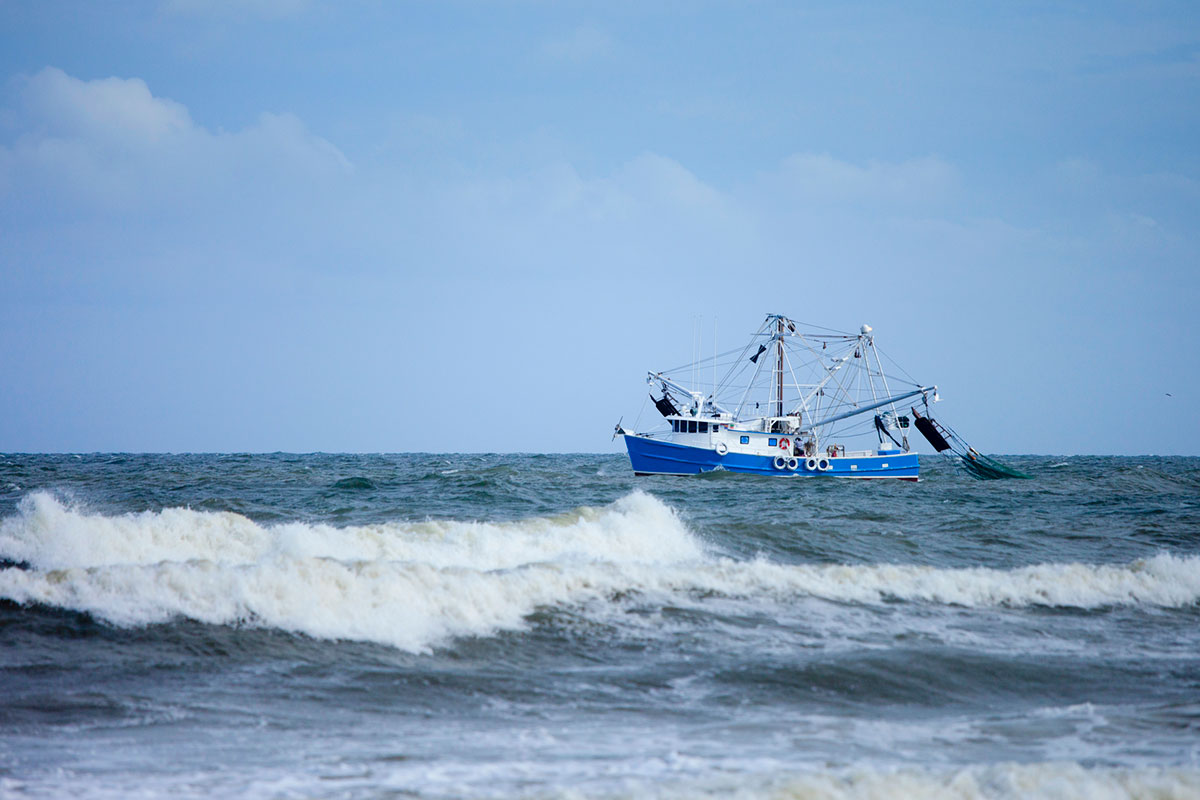
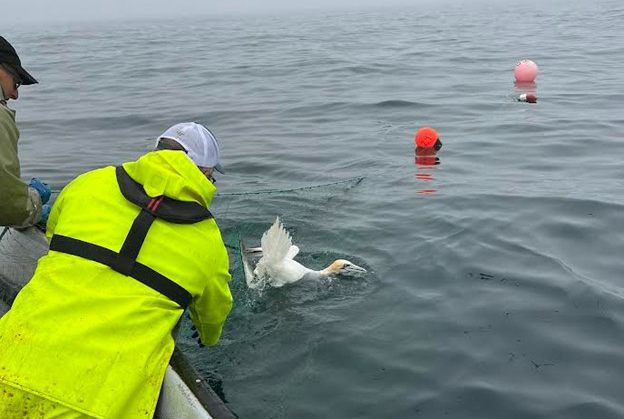
Commercial fisheries pose a substantial threat to seabird populations worldwide, with hundreds of thousands of individuals lost to gear and vessel interactions each year. Seabirds may become hooked or entangled in gear, dragged underwater and drown, or collide with lines and vessels as they are attracted to bait fish or fisheries waste used in fishing operations.
On February 11-12, 2026, the Trilateral Bycatch Working Group and the Atlantic Marine Bird Cooperative convened a virtual workshop, Seabird Bycatch Reduction Strategies, to help address seabird interactions with fishing operations. The workshop aimed to compile and share current information on seabird bycatch reduction techniques and interactions with specific commercial fisheries, identify interested parties, and explore potential partnerships to undertake and promote high-priority bycatch reduction activities in the future.
Over 140 individuals from 14 countries participated, representing expertise from the fishing industry, agencies, universities, and non-governmental organizations. The workshop focused on seabird interactions with longline, trawl, and gillnet gear, and highlighted opportunities to effectively promote adoption of best bycatch reduction practices using outreach strategies and incentives. Gear-specific breakout sessions identified potential solutions and partnerships to advance implementation and adoption of bycatch reduction practices.
Two related documents resulted from the workshop and are available here:
Workshop Report: Seabird Bycatch Reduction Strategies February 11-12, 2026: This report summarizes workshop proceedings, including key outcomes and recommendations. Specifically, it highlights both gear-specific and more general recommendations from workshop participants that may guide future bycatch reduction efforts.
Summary of Established Best Practices and Bycatch Reduction Strategies related to Seabird Interactions with Longline, Trawl, and Gillnet Fisheries: This informational resource inventories and compiles current established best management practices and reduction strategies for seabird bycatch for three commercial fishery gear types (longline, trawl, gillnet) known to interact with marine birds. It was drafted in advance of the workshop with support from Environment and Climate Change Canada (ECCC) and the U.S. Fish and Wildlife Service (USFWS), shared with workshop attendees ahead of the workshop, and further refined through workshop participant feedback.
Both documents support an increased understanding of what has worked well (and not so well) in reducing seabird bycatch to date, and should help identify new, promising areas for research and engagement to further reduce seabird bycatch.
Contact: Caleb Spiegel (caleb_spiegel@fws.gov)
Related Posts